
The Assessment
The full picture of how your child learns
The formal name is a full diagnostic specialist cognitive assessment. Most families call it a dyslexia assessment. It looks at how your child reads, spells, writes and thinks, then explains what is going on in plain terms.
Age 8 and up · Around two and a half hours · Recognised by schools, accepted for DSA
Two routes
Specialist teacher or educational psychologist?
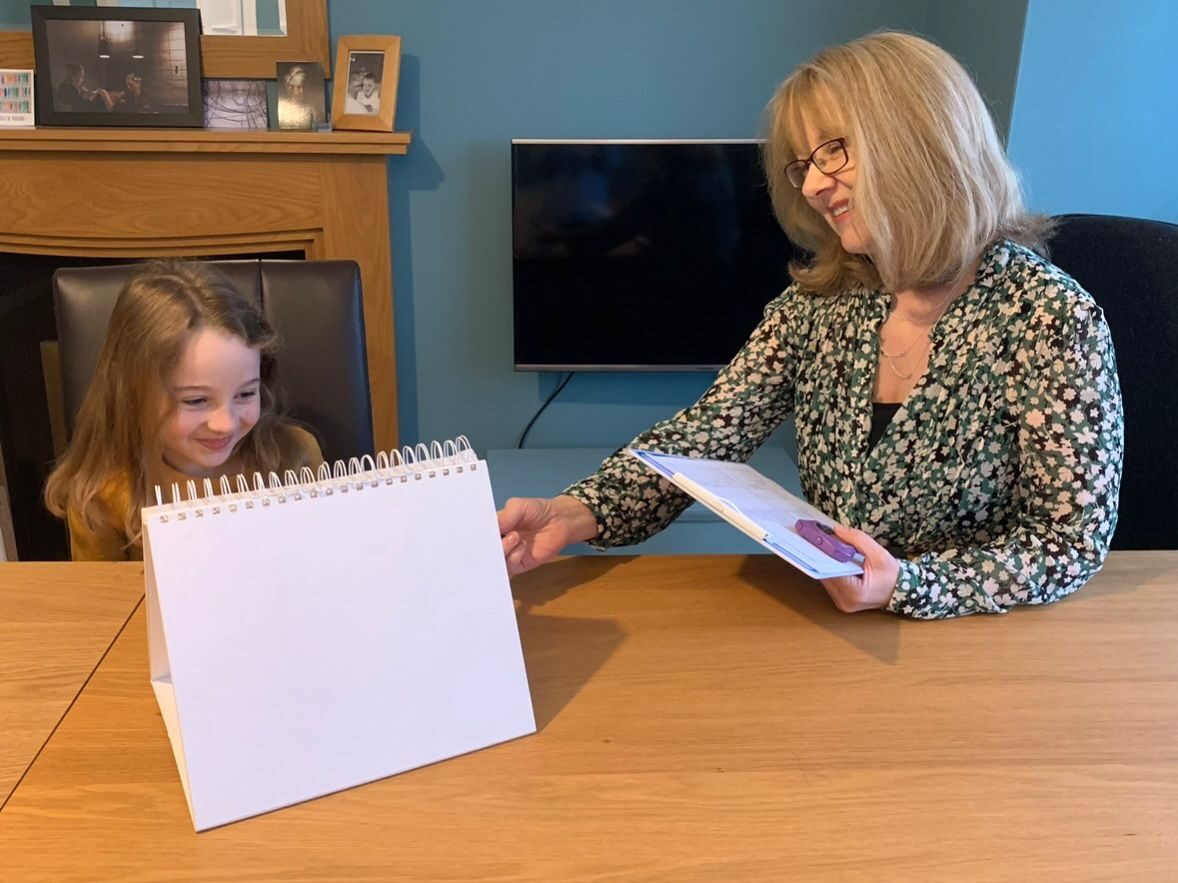
There are two routes to a diagnostic assessment: a specialist teacher assessor, or an educational psychologist. Both have their place, and both use largely the same tests.
I am a specialist teacher assessor. I bring decades of classroom experience to the table, so my recommendations are practical and workable: things your child’s school can actually do, and things that help at home.
Who it is for
From age 8 upwards
Eight is the youngest age for a formal dyslexia diagnosis. From eight upwards, this is the assessment that gives a clear answer.
Too young for a diagnosis, not too young for help. A gentle, non-diagnostic profile of how your child is learning.
See For ParentsThis page covers the assessment in general. For GCSE and A-level exam access arrangements, see Teens & Sixth Form. For university, DSA and the first years of work, see For Adults.
What is tested
Four areas, one clear picture
Cognitive ability
How your child reasons and solves problems. This is the baseline the rest of the picture is read against.
Literacy
Reading, spelling and writing. Accuracy, fluency and understanding, from single words to whole pages.
Working memory
Holding information in mind while using it, like carrying a sentence from the board to the page.
Processing speed
How quickly familiar work gets done. Slow processing can hide how able a child really is.
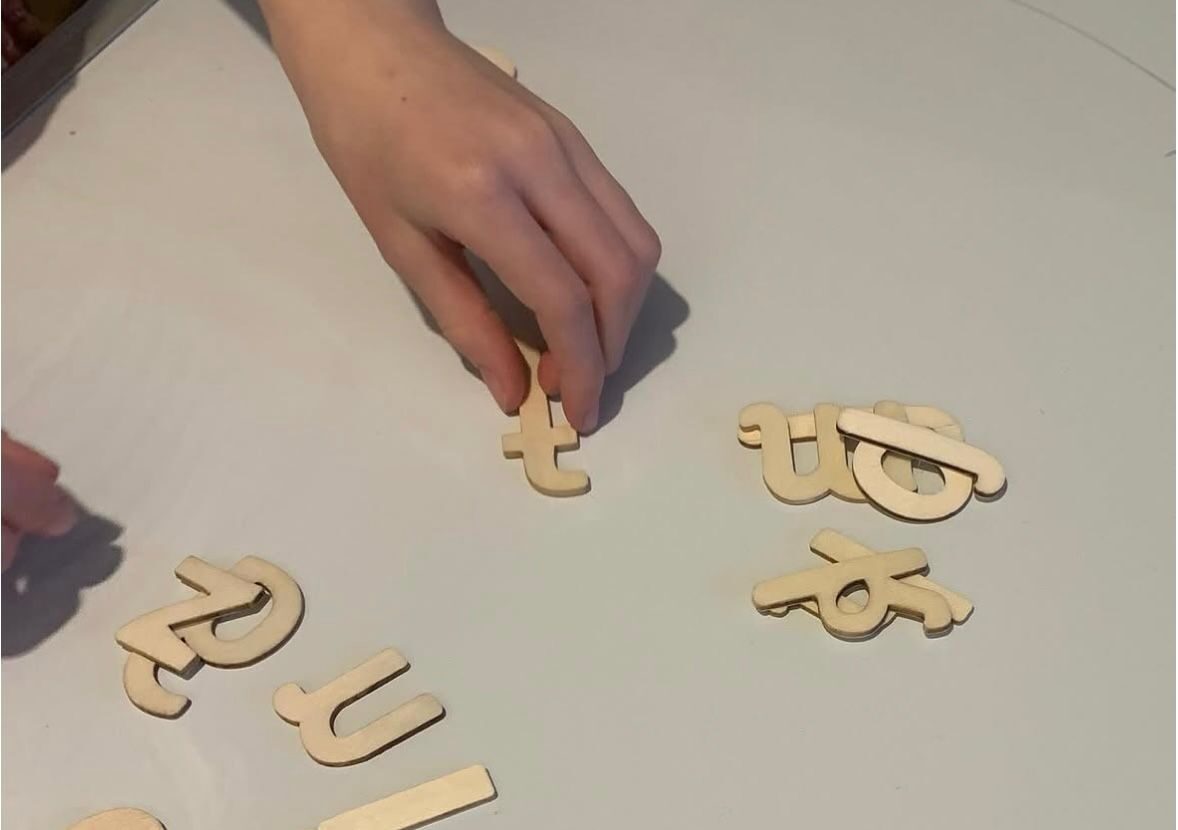
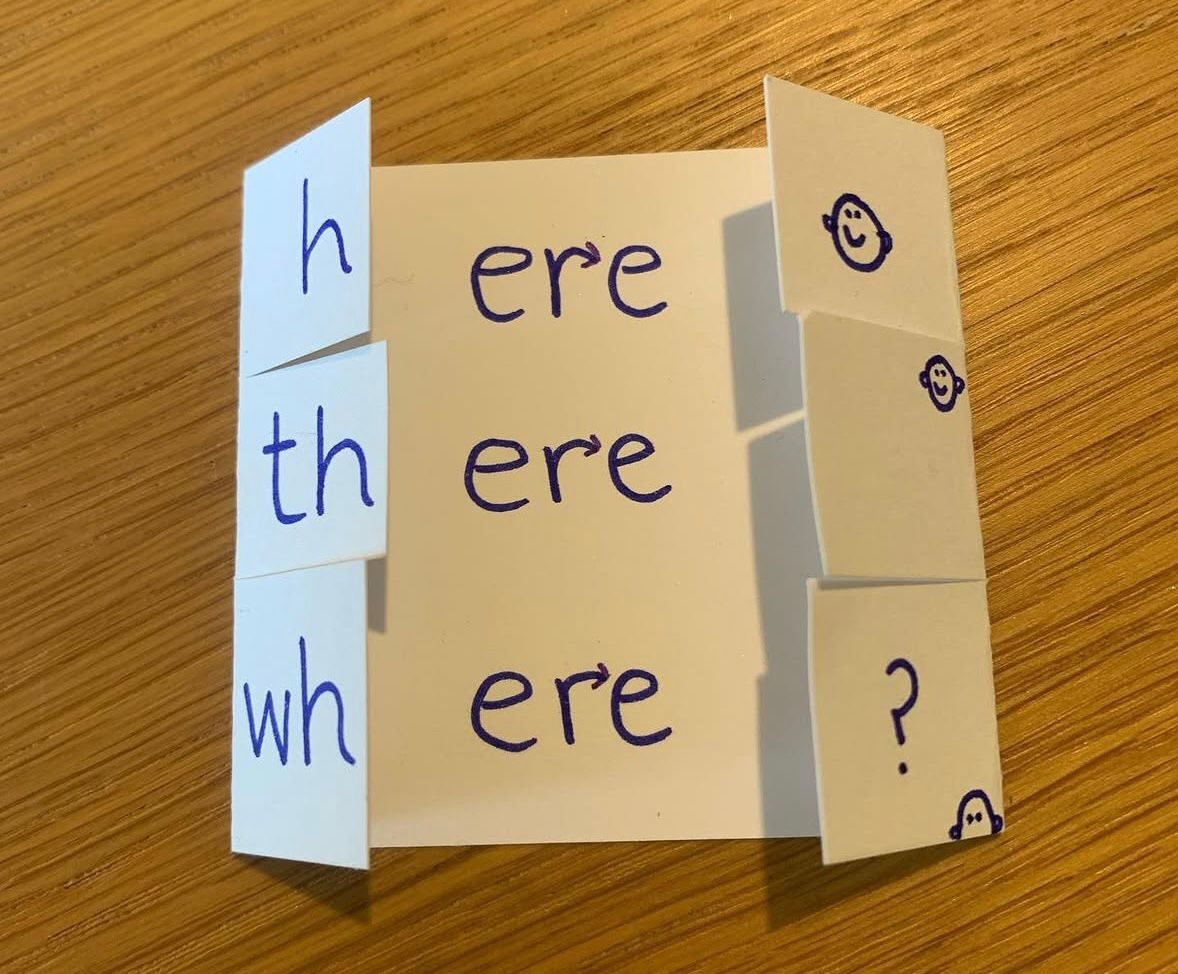
Two skills with technical names sit underneath all four. Phonological awareness is how confidently your child hears and works with the sounds inside words. Rapid naming is how quickly they pull familiar names, letters and colours from memory. Together they tell us a great deal about how reading is developing.
For readers who want the clinical detail: the assessment uses standardised measures of verbal and nonverbal ability, phonological processing, rapid automatized naming, single word reading, spelling, reading fluency and comprehension, and writing. Scores are weighed together and in context, never in isolation.
Maths and dyscalculia
An honest word about maths
Maths difficulties often grow from the same roots as literacy difficulties. Working memory and reading comprehension shape how a child manages maths, from word problems to times tables. So the assessment can also look at numeracy: fluency with number, problem-solving, and whether the basic operations have become automatic.
Genuine dyscalculia is a different matter. Where I suspect it, I say so plainly, and I refer you on to a specialist dyscalculia assessor. I would rather point you to the right person than stretch past my remit.
The day itself
Calm, unhurried, built around your child
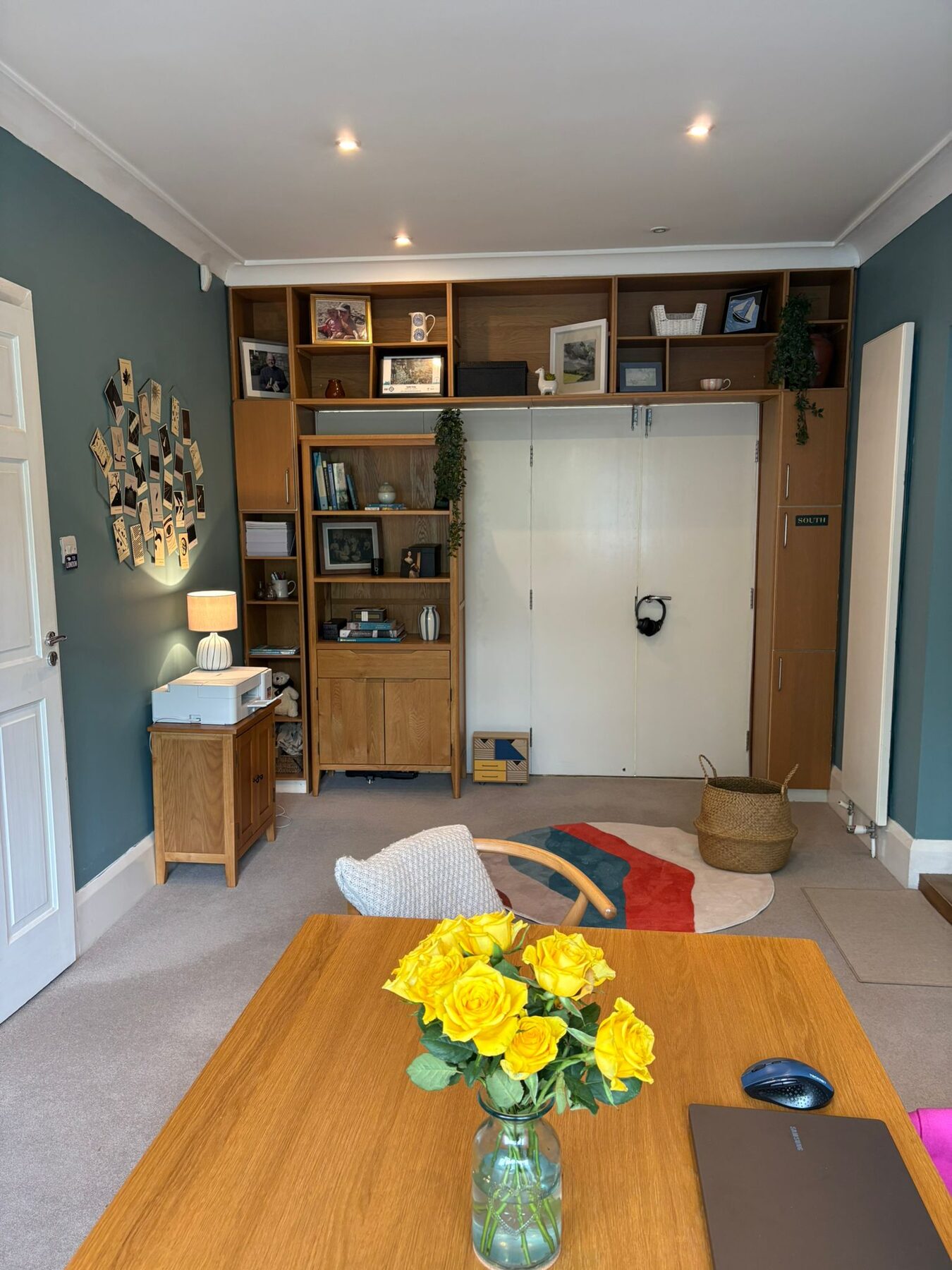
The assessment typically takes around two and a half hours, in one session, in a quiet and well-lit room. We take breaks whenever they are needed. The paperwork reaches you in advance, so the day itself holds no surprises.
- Lego and drawing on hand for the breaks, and a comfy chair to flop into
- For nervous children, the welcome starts at the doorstep
- Younger children are accompanied to the loo
For parents
Nearby while you wait
Waitrose
Two hours of free parking.
A cafe
About 15 minutes away on foot.
The library
About 10 minutes away on foot.
Dog walking
Good walking nearby if the dog has come along.
I call you about 30 minutes before we finish, so you have time to set off and collect.
Afterwards
The report, and what it can do
You receive a full diagnostic report, written to the current SASC guidelines, the standard schools, exam boards and universities expect.
The report is yours. Schools recognise it, and it is accepted for DSA student support at university. For exam access arrangements, it can help identify difficulties and provide useful evidence, though those decisions are made by schools under the JCQ regulations, drawing on a range of evidence.
Then we talk it through. The included 45-minute video call walks you through the findings, line by line, before the report is finalised.
Inside the report
- Diagnostic Decision
- Background
- Test Conditions
- Cognitive Presentation
- Attainment
- Recommendations
- Appendices
An honest answer
What if it is not dyslexia?
Sometimes the answer is not dyslexia. The assessment is still worth having. You leave with a detailed picture of how your child learns, where their strengths sit, and what support helps.
My training covers autism, ADHD, DCD (dyspraxia) and maths difficulties, so I recognise needs that travel alongside dyslexia, and needs that can look like it. Where another assessment is worth exploring, I write an onward referral letter and append it to the report. Nothing is added without talking it through with you first.
The difference
Quiet care, before and after
A free 30-minute call before
Time to talk it through before you commit to anything.
A 45-minute video call after
The findings explained line by line, not a report left to speak for itself.
Care on the day
Breaks, patience and a calm room, shaped around your child.
Pricing
What the fee includes
- The free 30-minute call before you book
- The full assessment session
- The SASC-compliant diagnostic report
- The 45-minute video call, line by line
£595
Payment plans available on request.
Payment in full secures your booking, and instalments can be agreed in advance. Full booking terms, including cancellation and rescheduling, come with the booking form.
Book a free 30-minute chat
Talk it through first
Tell me a little about your child or yourself, and we will find a time to talk. The first conversation is free, and there is no pressure to book.
Or call or text 07912 147199, or email info@dyslexia-assessment-surrey.co.uk.